Is Organic Food Worth the Extra Money Esl Reading
For many people, eating healthy means eating organic food whenever possible. This implies paying a fiddling more than in most cases. Does that really brand sense? So far, autonomously from limiting exposure to pesticides, in that location is little conclusive evidence that organic foods are healthier.
However, the popularity of organic foods has increased, and supermarkets, even the smallest ones, are making more and more space for them. Around 83% of Americans buy organic foods at least some of the time, according to the Organic Trade Association (OTA). Half-dozen years ago, merely 30% of Americans did.
The adjective "organic" has been part of our vocabulary for a very long time, but it withal brings up questions: what kind of product is this? Is it beneficial? Why is it more expensive? And is it worth consuming?
What is an Organic Product?
Organic foods and other ingredients with the aforementioned characterization are grown without the use of synthetic pesticides or fertilizers, and genetically or radiation-modified organisms are not used in any step of the production chain. Animals reared at organic farms that produce meat, eggs, and dairy do not consume antibiotics or growth hormones.
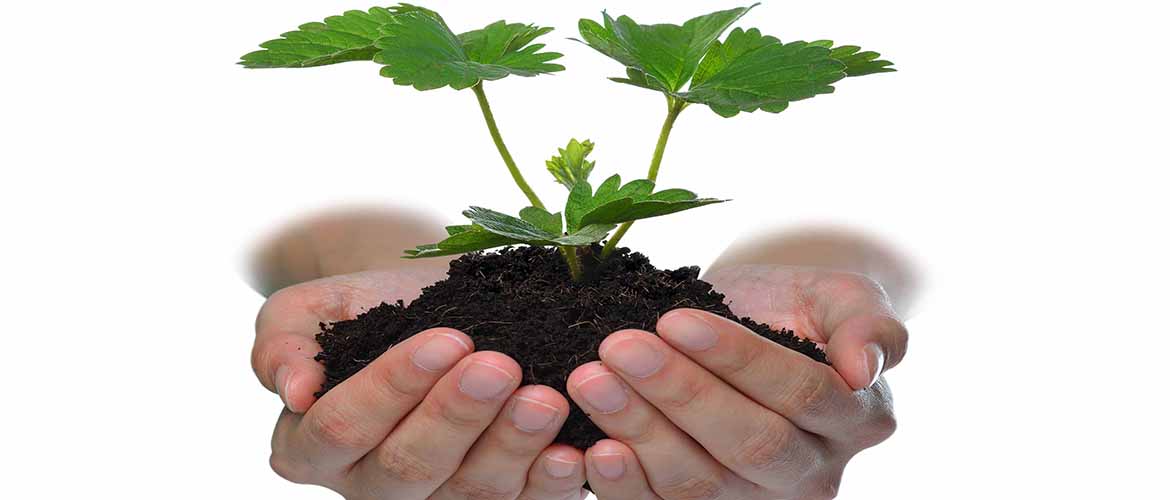
This is not a new trend. Information technology started at the starting time of the 20th century as a reaction from farmers to the increasing use of synthetic products to raise animals and cultivate the soil.
These farmers are often called "green" farmers because they abound organic products, putting an emphasis on the utilize of renewable resources and preservation of the soil and water in order to improve the quality of the environment for future generations. That is how it is explained in a certificate from the National Organic Plan of the United States Department of Agriculture (USDA), which was founded in 1990 to requite this yield a legal framework.
In Latin America, this trend goes back to the middle of last century. In 2014, there were 300,000 organic producers in the region. The countries that generate the nigh products with this label are Argentina, Uruguay, and Brazil.
In the United states of america, before a food tin can receive the "organic" label, inspectors from the United States Department of Agriculture (USDA) visit fields and farms to define that producers are following all of the steps necessary for the food to be dubbed "organic."
For People and for the Planet
The question that many consumers ask is if it is really worth it to buy organic foods. Unfortunately, there is no unmarried reply, as it greatly depends on the individual.
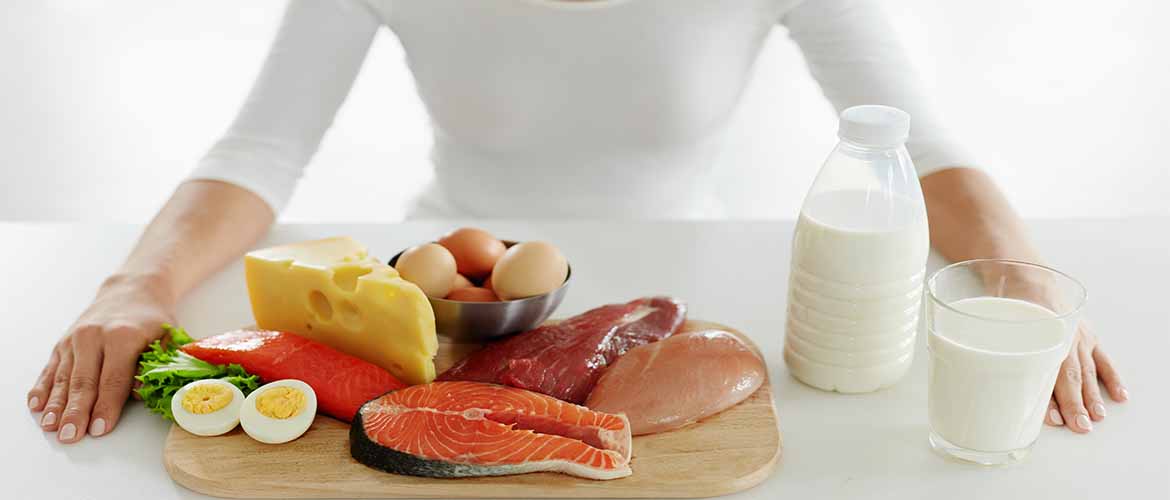
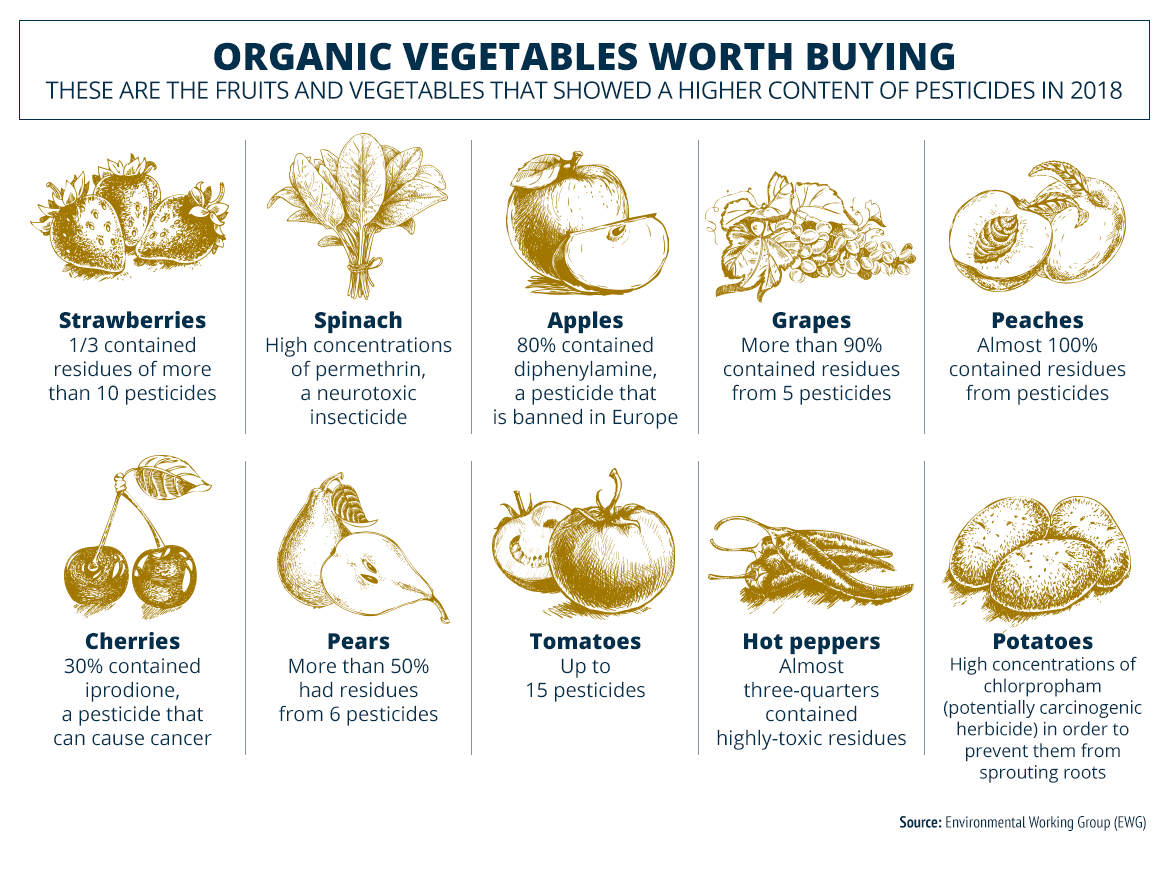
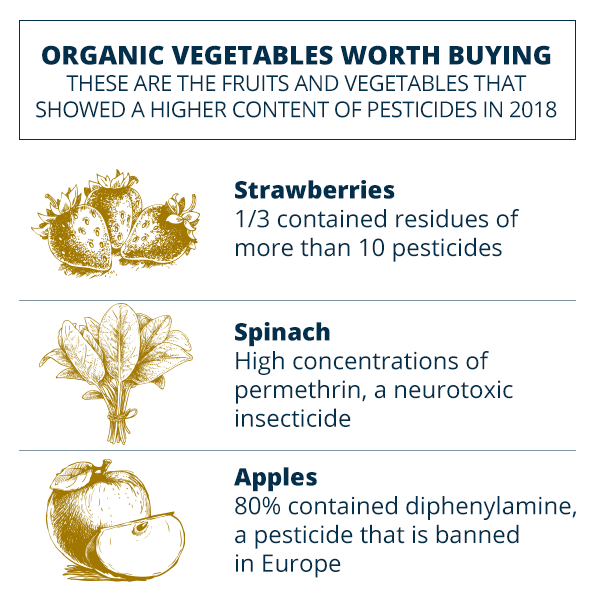
Evidence that organic foods are healthier is still weak. Existence organic has a greater impact on certain products. As a brief summary, we tin can say that agricultural products that are peeled earlier eating have less pesticide residues, so it makes more sense to spend money on organic strawberries than on organic bananas or avocados.
In that location are people who swallow organic foods because they consider them to exist healthier. Others do so because they support an environmentalist, naturalist philosophy: They believe less pesticides and radiation on crops and animals is not only better for human health, but also for the soil and the unabridged planet.
By ownership organic products, these consumers support farmers that accept intendance of the planet and protect its natural resources.
Are they more expensive? Sometimes. Why? Different traditional farmers, organic nutrient producers practise not receive federal subsidies and tend to exist minor companies that do not accept the benefits of industrial farmers, either. In improver, production times are unlike: Organic production times are longer and require more than artisanal labor, which raises the toll of the product a fiddling chip. But the difference in toll is not always pregnant.
Consumer Reports, the organization dedicated to protecting consumers, rated organic products according to how worthwhile information technology is to buy them over regular products:
- Fruits and Vegetables:
Are they worth eating? Yes, definitely.
Why: To forestall long-term exposure to pesticide residues. Conventionally rinsing fruits and vegetables does not effectively reduce the pesticides that remain between the leaves, seeds, or peels. Organic products are not treated with synthetic fertilizers or pesticides.
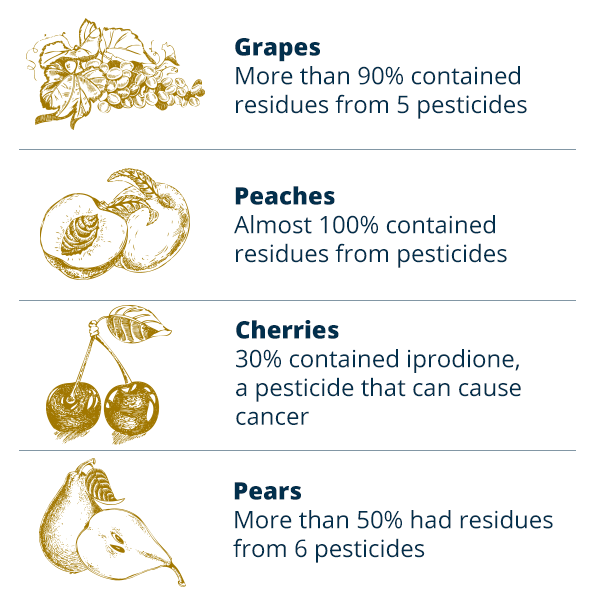
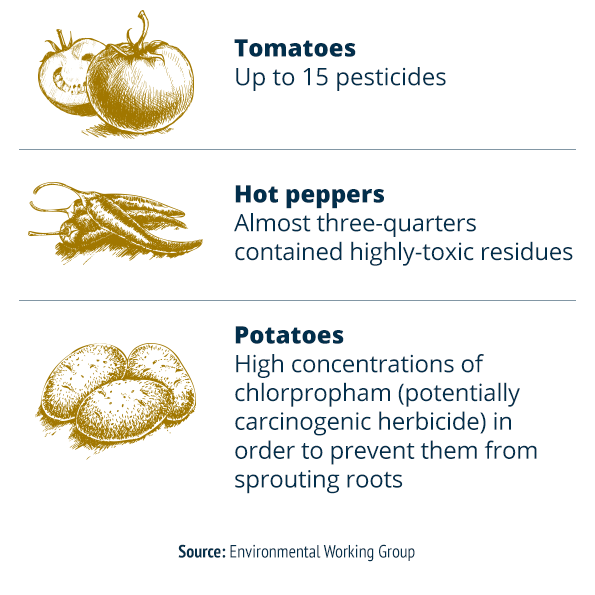
- Poultry:
Is it worth eating? Yes, very much.
Why: To avert eating animals that swallow questionable feed due to the use of antibiotics, which organic poultry does not receive. The systematic use of antibiotics in subcontract animals has increased bacterial resistance, to the point where vital medications have been rendered useless. In add-on, organic birds are not fed with poultry litter (a mixture of excrement, scraps, and feathers) or medications with arsenic. Although it is true that some organic subcontract animals practice show certain bacterial contamination, they are mostly non antibiotic-resistant bacteria. - Beef:
Is it worth eating? Aye, very much.
Why: Reddish meat from organically-grown cattle does not take antibiotics, either. The animals basically only consume grass, which makes their meat leaner. In the Us also as in countries that import meat from organic farms, the packaging has a label that says "American Grassfed Approved" or "USDA Process Verified Grass-Fed," which is a guarantee that the cut of meat comes from an organic animate being. - Dairy Products:
Are they worth eating? Yes, very much.
Why: Studies have found that organic milk contains approximately threescore% more omega-iii fatty acids, which promote heart health, than the non-organic versions. This also applies to cheese and yogurt. Organic dairy cows are not treated with growth hormones and must maintain an organic diet that does not contain fauna by-products. - Packaged or Canned Foods:
Are they worth eating? More or less.
Why: 95% of the ingredients in an organic canned product must exist organic. In add-on, organic packaged products practice not utilize constructed dyes, something that can be proficient for children, merely does not take a proven impact on adults. - Fish and Seafood:
If fish or seafood has a label that says "organic," it should not be taken seriously, as there are no organic production standards for fish or seafood that accept been approved by the United States government. It is the same in Latin American countries.
Finally, the most important step is to eat more fruits and vegetables, organic or not. Regarding meat and dairy products, if your budget allows it, cull products that do not accept antibiotics or added hormones.
Sources:Environmental Working Group (EWG), Consumer Reports, When to buy organic food, Organic.org, Organic World, Us Department of Agronomics (USDA)

barrewasheigandis.blogspot.com
Source: https://www.palig.com/blog/dr-palig/2019/03/are-organic-products-healthier-or-just-more-expensive
0 Response to "Is Organic Food Worth the Extra Money Esl Reading"
Postar um comentário